CFD Trading Explained: Why Nairobi’s Younger Professionals Are Taking Notice
The young Kenyans in Nairobi have changed their mind about money. The millennials who grew up seeing mobile payments change the way people shop every day are now starting to take a closer look at financial markets with a more purposeful, less speculative interest. One of the tools that has attracted the most attention is CFD trading, a versatile and accessible route into the markets that has found a welcome in a city where ambition and digital savviness have a way of moving in the same direction.
A Contract for Difference enables a trader to enter into a contract on either the rise or fall in the price of an asset, without having to own the underlying asset. That distinction matters in a market like Kenya’s, where direct access to international equities or commodity exchanges traditionally demanded resources and infrastructure that the majority of the population lacked. Through CFDs, a young Kenyan in Westlands or Kilimani can afford to hold a position in Brent crude, a European index, or even a tech stock thousands of miles away, provided they have a smartphone and a funded account.
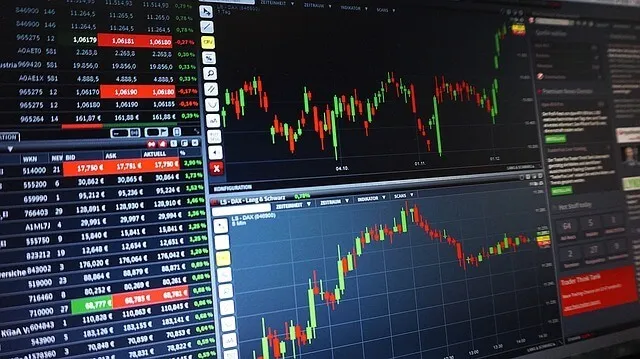
Image Source: Pixabay
One of the reasons that makes this moment different from previous waves of retail investing is the quality of education that surrounds it. Nairobi traders do not have to figure things out on their own. An informal yet surprisingly efficient network of YouTube teachers, Telegram study groups, and weekend seminars has grown up around the subject, with a significant portion of the information being presented in a blend of English and Swahili that is representative of the way the city actually speaks. A former bank analyst based in Eastleigh who runs one of the most popular channels has a following of more than forty thousand subscribers who walk through live charts, with him explaining why some setups succeed and others don’t, in language that is more conversational than academic.
Risk never seems far from the conversation and the more serious players in this field are likely to mention it first, almost before anything else. The element that demands the most respect from anyone venturing into the market is leverage, which multiplies both gains and losses as compared to the amount of capital deposited. Brokers operating in Kenya have been reacting to this by enhancing their educational disclosures and providing demo accounts where new users can practice without risking real money. Regulators too have given the sector closer scrutiny, with deliberations ongoing on how to bring more formal oversight to bear on platforms serving Kenyan retail clients.
For a 28-year-old software developer in Nairobi’s tech corridor, the draw of CFD trading is often not the intention to make a quick buck, but to learn how global markets operate, develop a skill base that extends beyond their core career, and to put their savings to work in a world where inflation is quietly undermining purchasing power. The market reveals itself to most of us less like a casino, more like a discipline that is as much a matter of patience as it is of restraint.
The current tools simplify the creation of that discipline like never before. Full technical analysis suites on charting platforms, real-time news feeds, updates on market-moving events and risk management features that limit the downside exposure have all reduced the threshold to serious participation. The only thing that will never change is that real study is required and realistic perception of what the market can and cannot offer. That realization seems to be growing steadily among the younger professionals of Nairobi.

Comments